






Reusable silicone nipple covers can be a comfortable, beautifully simple option when the exact product is made for that use and your skin is healthy and ready for it. If you are asking, “Are silicone nipple covers safe for sensitive skin?” the useful answer is not a blanket yes or no. It is product-specific—and your own skin gets the final vote.
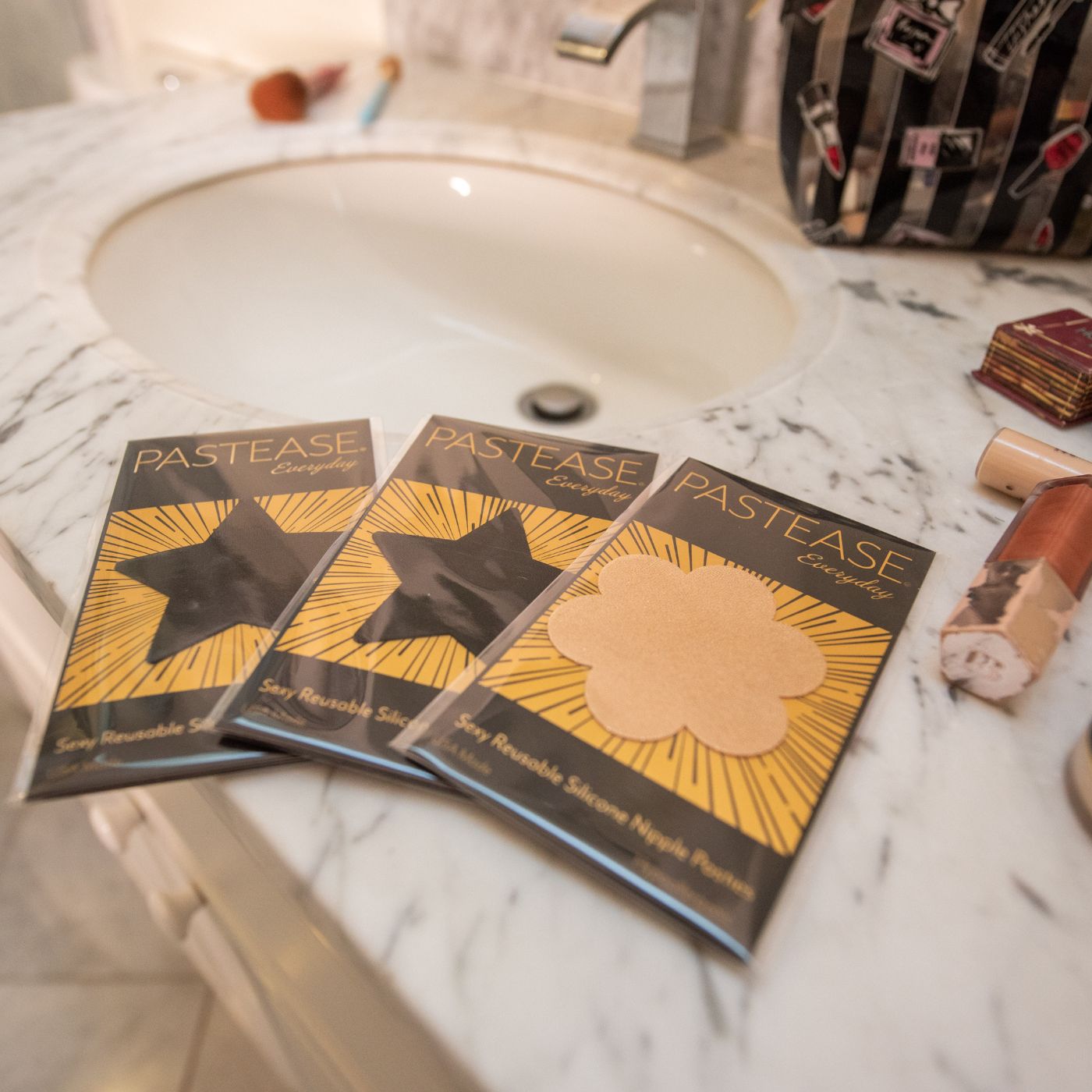
Pastease Everyday® Silicone Breast Covers are described in the current product information as medical-grade, latex-free, waterproof silicone and hypoallergenic. Those are helpful product details, but no material can promise that every person will react exactly the same way.
Sticky residue is personal too. A reusable cover needs tack to stay where you put it, but that does not mean every wearer will notice residue afterward. Clean skin, thoughtful placement, slow removal, and simple aftercare make the whole experience easier.
Especially if there is a bridesmaid dress, formal gown, or important event involved, give the full outfit a test run before the big day. Wedding mornings have enough plot twists already.
Your skin comes first. The dress is important. It is not in charge.
Are reusable silicone covers suitable for sensitive skin?
They can be, when the specific product is designed and described for that use. Pastease Everyday reusable silicone covers are currently listed as medical-grade, latex-free, waterproof silicone and hypoallergenic. Those details can help inform your choice, but they are not a universal promise about how every individual skin type will respond.
Sensitive skin can react to more than the cover itself. Heat, moisture, friction, pressure, skincare products, and long contact time can all change how something feels over several hours.
If the skin is already irritated, sunburned, cut, tender, or otherwise unhappy, wait until it has recovered before applying a tacky wearable cover. There is no prize for making an outfit work at the expense of your skin.

How should you prepare skin before applying the covers?
Start with clean, completely dry skin. Lotion, body oil, body butter, sunscreen, and similar products can interfere with adhesion, so keep them away from the contact area before application.
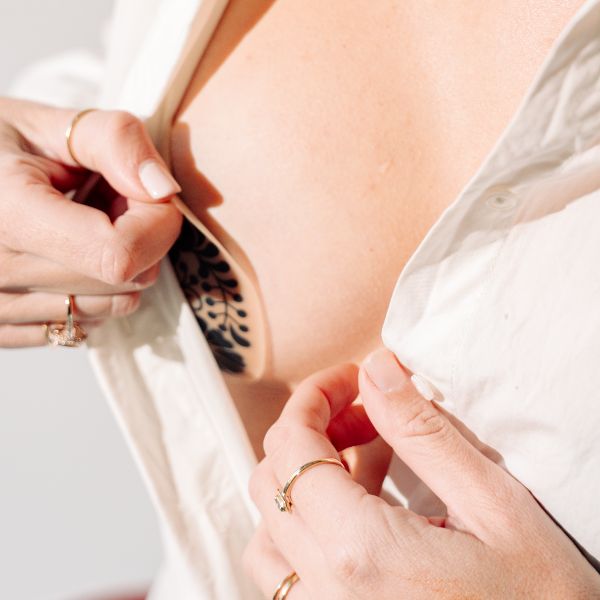
Center each cover carefully and smooth it into place rather than lifting and repositioning it again and again. Less handling means less transfer of skin oil to the tacky surface—and usually a cleaner-looking placement.
Before an important event, wear the covers at home with the actual outfit. Sit down. Reach. Bend. Walk around. Check the neckline and the fabric from different angles. This is especially useful when choosing nipple covers for bridesmaid dresses, because the dress—not just the cup size—determines what stays hidden and what shows.
Do reusable silicone nipple covers leave sticky residue?
They may leave a little tackiness for some wearers, while others may notice very little or none. The current Pastease Everyday product information emphasizes repeat wear, easy removal, and storage that helps maintain stickiness; it does not make a universal zero-residue promise.
What you notice afterward can depend on skin condition, skincare products, warmth, perspiration, wear time, and removal technique. In other words, your chest is not a controlled laboratory environment. Real life gets a vote.
If the skin feels slightly tacky after removal, gently wash the area with mild soap or cleanser and lukewarm water. Skip harsh solvents, aggressive rubbing, or scraping. If the skin becomes red, painful, swollen, or persistently uncomfortable, stop using the product and seek appropriate medical guidance.
What makes silicone covers useful under formal dresses?
They take straps, bands, and center panels out of the styling equation, which can be very useful with open backs, strapless necklines, plunging cuts, and fitted fabrics.
When selecting nipple covers for bridesmaid dresses, think beyond the dress on the hanger. Consider the neckline, fabric weight, color, transparency, and how the fabric moves when you sit, dance, hug people, or reach for the bouquet.
The current Pastease Everyday range lists two diameter options: a smaller size for A–C cups and a larger size for D+ cups. Cup size is a practical starting point, but the dress still deserves a full test fitting.
Check the finished look in daylight, indoor light, and phone-camera flash. Then move naturally. Formalwear has a funny habit of looking perfectly behaved while you stand still.
How should you remove reusable silicone covers gently?
Slow and gentle is the move. Lift an outer edge and peel the cover back gradually instead of pulling sharply away from the skin.
If it feels more comfortable, support the nearby skin with your free hand as you peel. If you feel strain or discomfort, pause and follow the directions supplied with the exact pair rather than forcing the removal.
Afterward, gently cleanse and dry the skin. If the area feels tender, give it time to settle before applying another adhesive or tacky wearable product in the same spot. Extending the outfit is never more important than comfort.
How do you clean and store reusable silicone covers?
This is where your Pastease Everyday covers get their reset. Gently hand-wash them with mild soap and water, rinse thoroughly, and let them dry completely with the sticky side facing up.
Do not rub the adhesive surface with a towel. Towels have lint, and lint has an almost supernatural attraction to sticky things.
Do they need to dry faster? Use a blow-dryer on the cool or no-heat setting. Once they are completely dry, replace the storage liners, lay the covers over the molded domes to help maintain their curved shape, and return them to the travel box.
The shorthand is easy: Wash. Dry. Line. Dome. Done.
What is the short answer for sensitive skin and residue?
For anyone asking, “Are silicone nipple covers safe for sensitive skin?” the strongest answer is product-specific: choose a design described for that use, apply it only to clean, dry, healthy skin, remove it slowly, and stop if irritation develops.
For most, silicone is actually healthy, refreshing and good for skin and is actually used in scar tape products to help reduce scar tissue. Nonetheless gentle aftercare is a better expectation than assuming everyone will have the exact same result.
For an event, test the covers with the actual dress beforehand. It is much easier to adjust placement, size, or styling in your bedroom than five minutes before photos.

Choose coverage with your skin and outfit in mind
Explore Pastease Everyday® Silicone Breast Covers, compare the available sizes and shades, and read the current directions before wearing them.
Choose the pair that works with your skin, your dress, and the way you actually plan to move through the day. Smooth coverage should make the outfit easier—not give you one more thing to worry about.
Frequently Asked Questions
Are reusable silicone covers a good choice for sensitive skin?
They usually are, especially when the specific product is described for sensitive skin. Pastease Everyday covers are hypoallergenic, medical-grade silicone, but individual skin response can still vary.
Apply them only to healthy skin and stop using them if irritation or persistent discomfort appears.
Can lotion be used before applying reusable silicone covers?
No. Apply them to clean, completely dry skin. Lotion, oil, body butter, and sunscreen can reduce adhesion, so keep those products away from the contact area until after the covers are removed.
What should you do if skin feels tacky after removal?
Gently wash the area with mild soap or cleanser and lukewarm water, then pat it dry. Avoid aggressive rubbing, scraping, or harsh solvents.
Give the skin time to settle before using another adhesive product on the same area.